
ELOS MARINE SERVICES – SHIPPING CONTAINERS CLEANING
Recommended self-inspection practices for industry
The risk for pests to contaminate containers and cargo is greatest at the packing location. Shippers or packers, acting on behalf of shippers, should put measures in place to minimize pest contamination during packing. Others in the supply chain should also put measures in place to reduce the risk of pest contamination while the container is in their control. These measures should be in accordance with individual roles and responsibilities in the supply chain and should take into consideration all safety and operational constraints.
Measures may include:
- Visually inspect the outside and inside of the sea container for contaminants such as plants, seeds, insects, egg masses, snails, animals, animal droppings, and soil.
- Where required, sweep, vacuum, or wash containers before loading to remove potential contaminants. Be aware that environmental factors, such as heavy rains, may increase the likelihood of certain types of contamination.
- Ensure cargo packed into the sea container is clean and free of visible contaminants.
- Clear the cargo staging and packing area to ensure that it is free from plants and visible plant pests. Containers placed on grassy areas may be more vulnerable to contamination by insects and snails.
- Do not keep containers under bright lights, which will attract insects to the cargo staging area and increase the likelihood of contamination. If containers must be kept under bright lights, check them regularly for signs of insects and egg masses and clean containers as needed to remove these contaminants.
- Where appropriate, use baits, traps, or barriers to keep pests out of the cargo staging and packing area. For example, you can use a salt barrier to prevent snail infestations.
- When moving containers between animal production facilities:
- Avoid driving containers through manure or wastewater.
- Whenever possible, park containers on paved areas and away from livestock pens and pastures.
- Where applicable, sweep, vacuum, or wash containers to remove contaminants, such as soil or animal droppings, that could move animal disease from one location to another.
CLEANING STEPS
- Preparation:Empty the container and inspect for damage (holes, dents, rust). Ensure adequate ventilation.
- Dry Cleaning:Use a heavy-duty broom to sweep out dirt and debris. An air compressor or leaf blower can also remove dust.
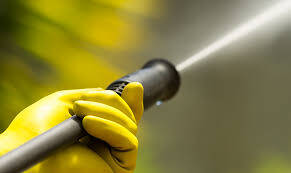
- Washing:Use a high-pressure washer or a scrub brush with mild soap and warm water to remove grime. Work from top to bottom.
- Rust Removal/Treatment:Use a wire brush, sandpaper, or a grinder on rusted areas, then apply a rust-resistant primer.
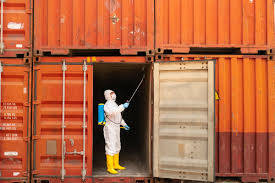
- Disinfecting/Deodorizing:Apply a disinfectant to sanitize. Use vinegar, baking soda, or coffee grounds to remove strong odors.
- Drying:Allow the container to dry completely before re-packing or sealing it to prevent mold and mildew.
Crea tu propia página web con Webador